Report by Laurence Jones
The rear lights on my XJS Facelift Convertible have always been poor, due mainly to the dark smoked appearance of the rear light clusters
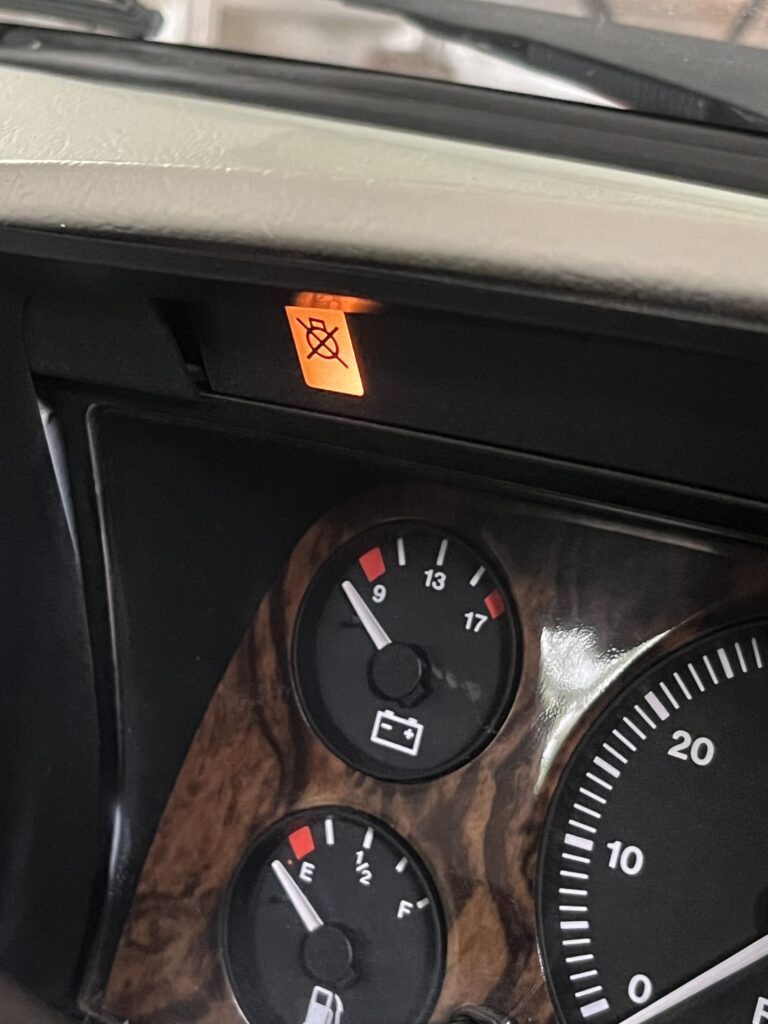
I had previously toyed with the idea of replacing the bulbs with higher wattage ones, but considered this was ill advised due to the wiring overload on the car. I then thought about replacing them with high powered LEDs, which won’t overload the wiring – but do cause the bulb out light to come on on the dashboard, and if replacing the indicators they go into hyper-flash mode.
I decided that I’d get around accept the bulb warning light for the rear/brake lights but would have to do something about the hyper-flashing indicators
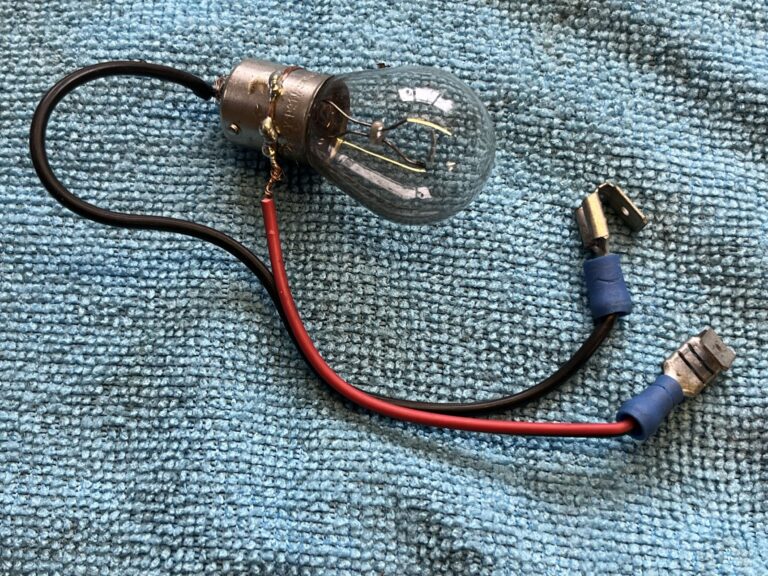
I came up with the idea of connecting wires to the original bulb (as pictured) and then connecting this in parallel with the LED bulbs which were to be located in the original positions in the light clusters.
This worked. The original bulbs each drew enough current to stop the hyper-flashing, and the LED bulbs worked well in the light clusters.
The downside is that I now had a hot glass bulb dangling around behind the light cluster concealed behind the “panelling”. Not good.
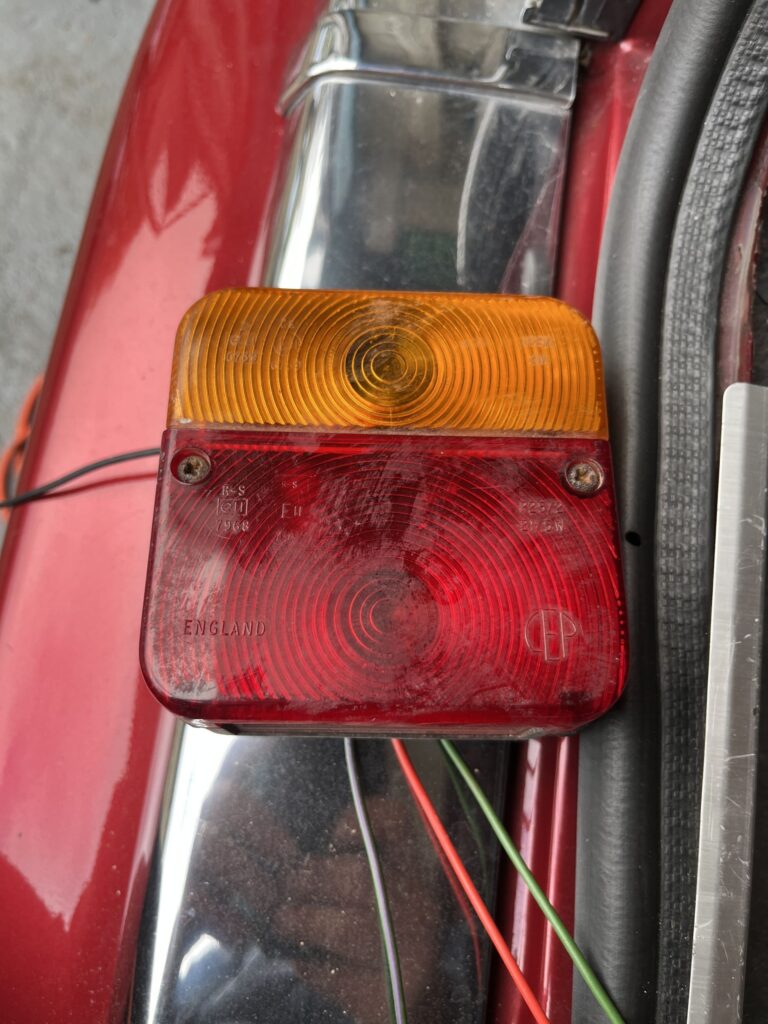
I then thought about how I could have the original indictor bulb in an actual holder, so it wasn’t dangling around and the hot glass wouldn’t make contact to anything (wires or panelling). I then had an idea, and dug out an old trailer lighting board that I had tucked away in the garage roof and to my relief it had standard bulbs (not LEDs).
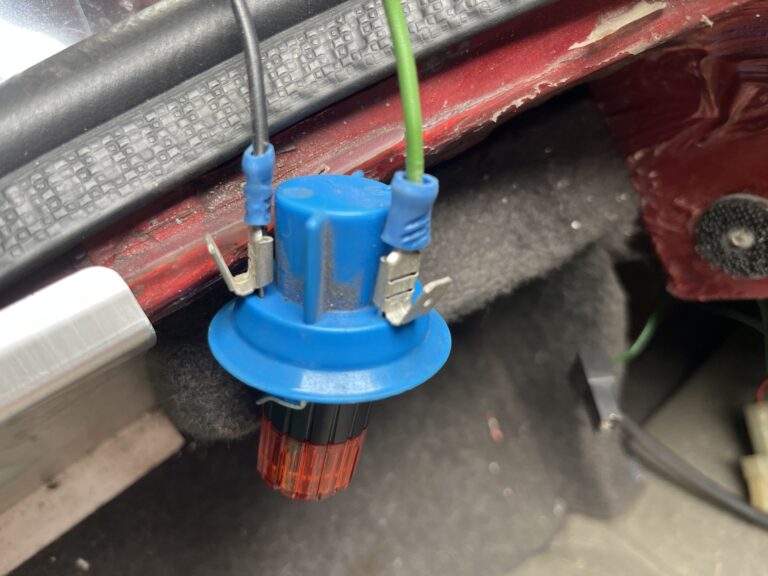
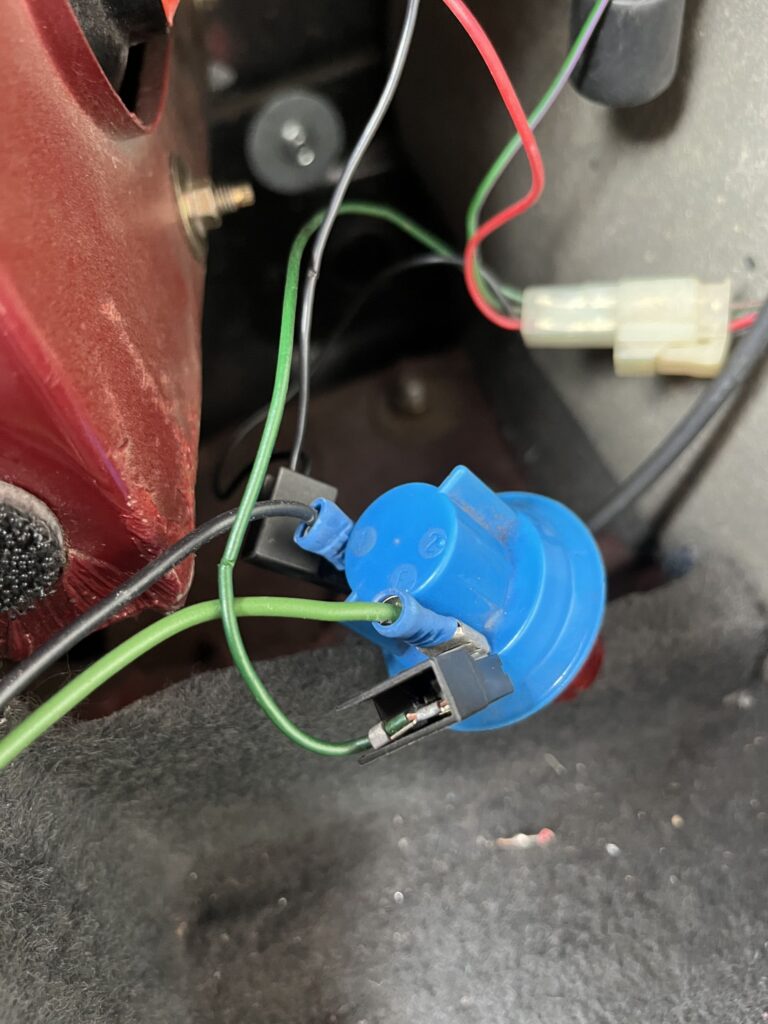
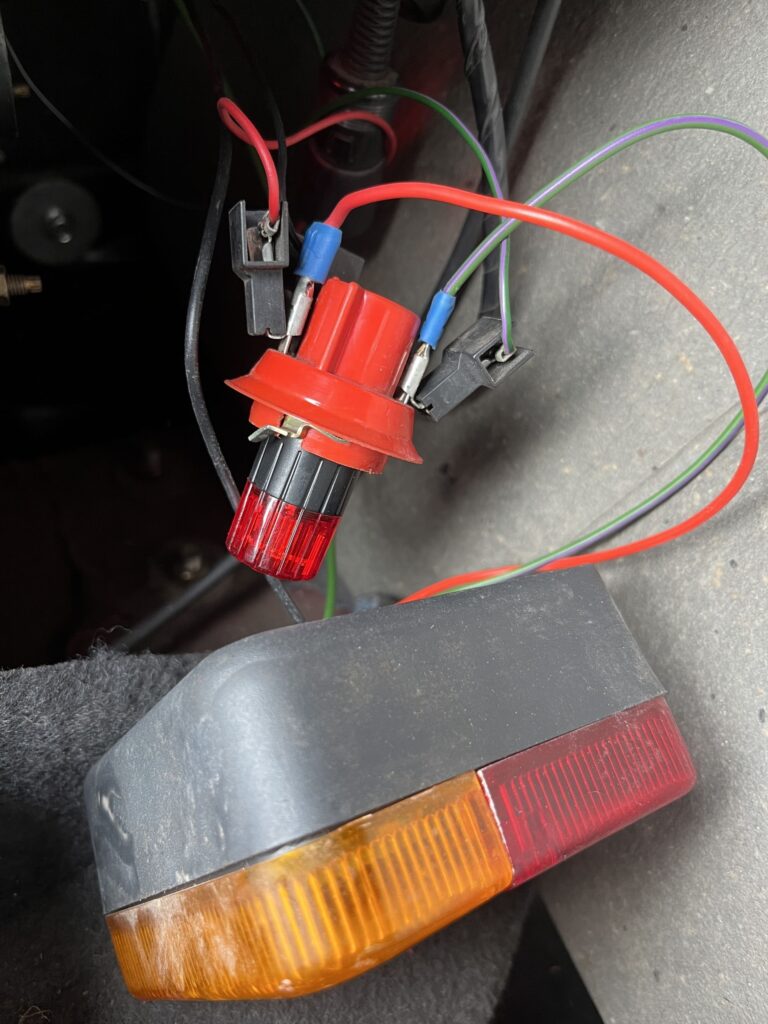
I attached female spade connectors that had an attached male connector to the ends of the wires from the trailer light units, and attached them in place of the car’s wiring to the car’s bulb holder. Then I connect the car’s original wiring to the male spade connector I’d just fitted. I wired in the indicator bulbs and the rear/brake bulbs.
The trailer light units are fully self contained indicator and rear/brake light unit, which is sat neatly out of the way behind the panelling not touching anything in case it actually does get hot.
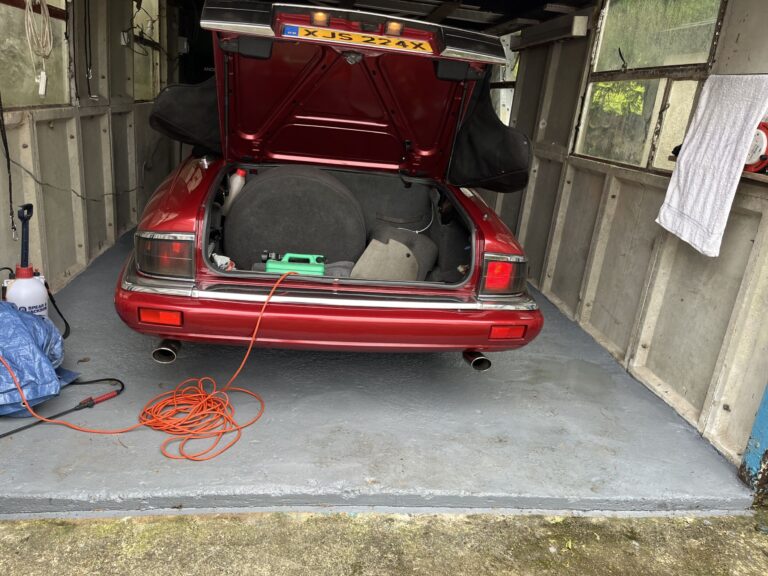
As can be seen in the photo above, the right hand side rear light (LED) is substantially brighter than the original bulb on the left.
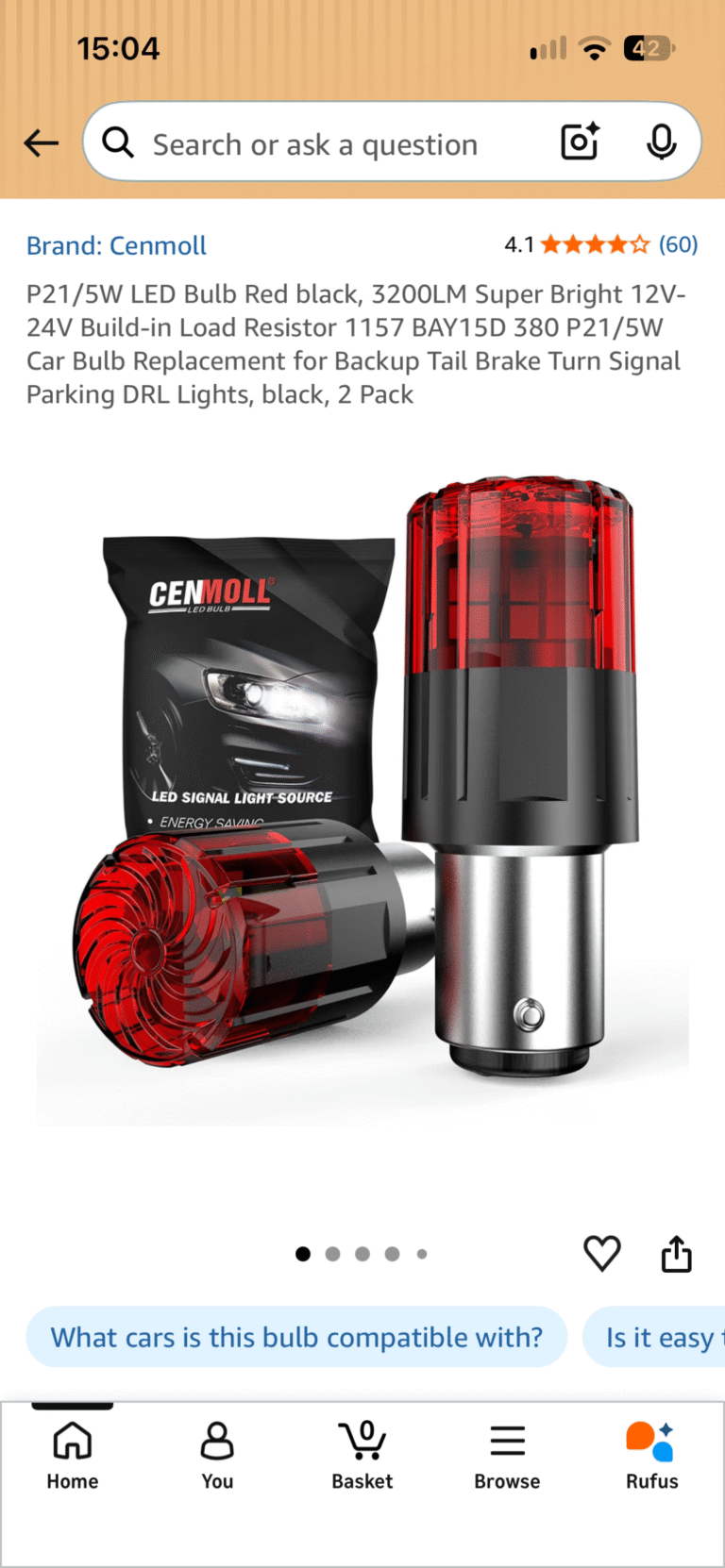
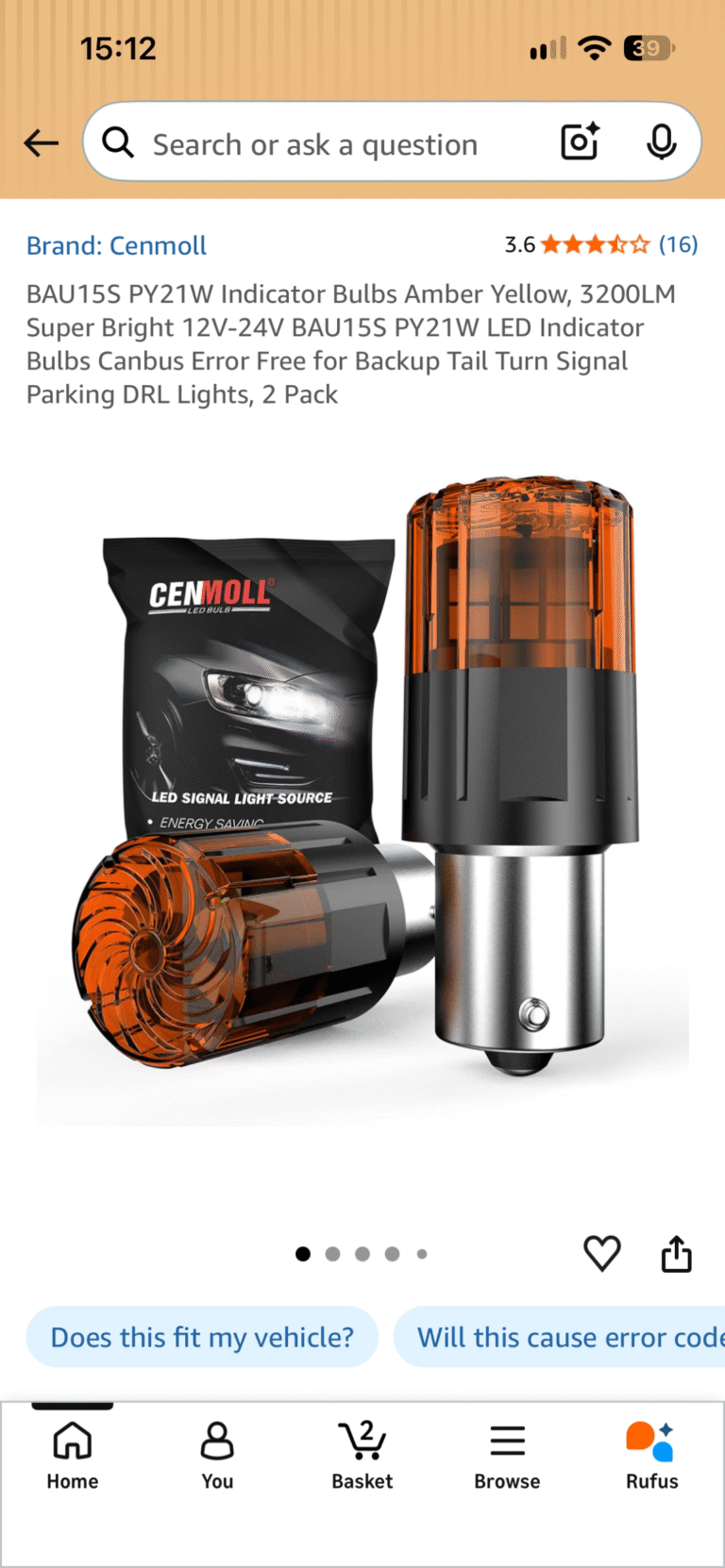
Because of the smoked effect of the rear light clusters, I chose to have colour specific LEDs to help ensure that as little light was filtered out as possible (if I’d used white light LEDs some of the spectrum would be filtered by the light cluster lens), so I used Red for the rear/brake bulbs and amber for the indicators.
That was my activity for Sunday completed. I’m thinking of upgrading the bulbs in my twin headlights next, but that’s for another activity on another day.
Laurence